Source: Legislative Analyst’s Office, California Legislature
As I have long been predicting, the legalized marijuana industry in California is struggling. The illegal market is still dominant. Tax collections are far below projection.
Articles for your consideration today:
Legal-marijuana executives report their industry is on verge of collapse.
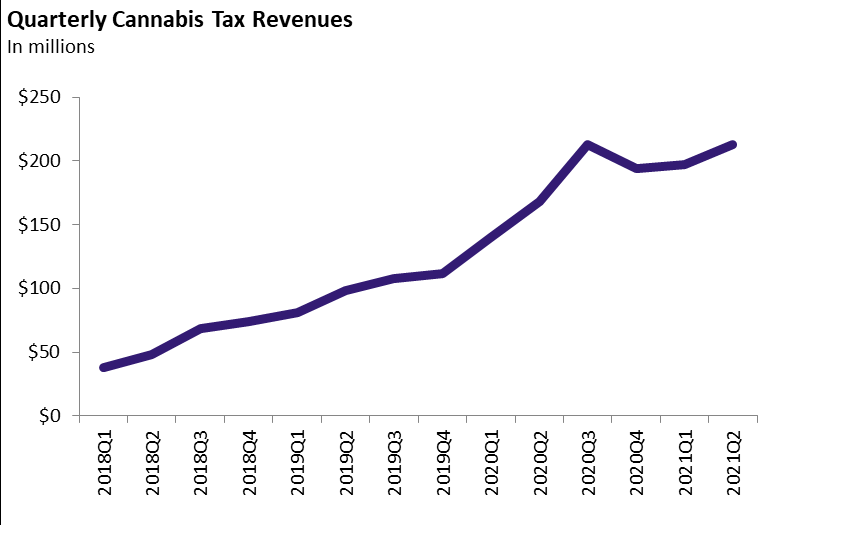
Tax collections fall short of projection.
Actual tax collections in state of California.
Previous articles on burdens the state of California has placed on the legalized industry can be found by clicking on the regulation experiment tag.
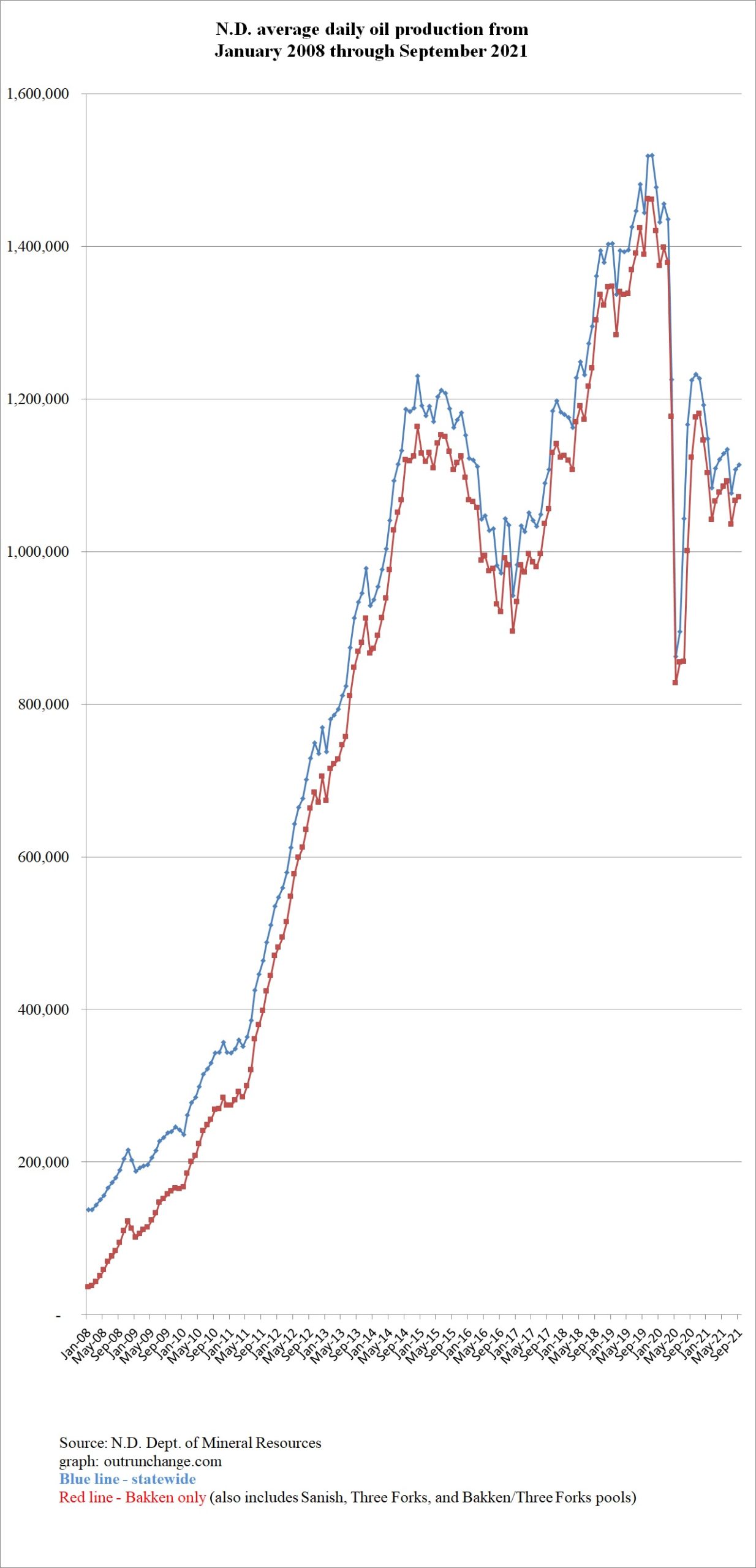
Crude oil production averaged 1,113,410 barrels of oil per day (BOPD) in September 2021.
Production has been in the range of 1.1 or 1.2 million BOPD since August 2020. Production was 1.44M BOPD back in March 2020 before the pandemic hit. Production quickly dropped to 0.9M in both May and June 2020 before climbing to around 1.1M since then.
Graph at the top of this post shows average production since January 2008. The blue line is total production in the state with the red line showing production from the Bakken pool only, which also includes the Sanish, and Three Forks pools. The blue line essentially excludes the old wells and areas which have been in production since before the current boom started in the 2008 timeframe. You can easily see the radical impact of horizontal drilling and hydraulic fracturing.
For a longer-term perspective, check out the average production in the state since 1990:
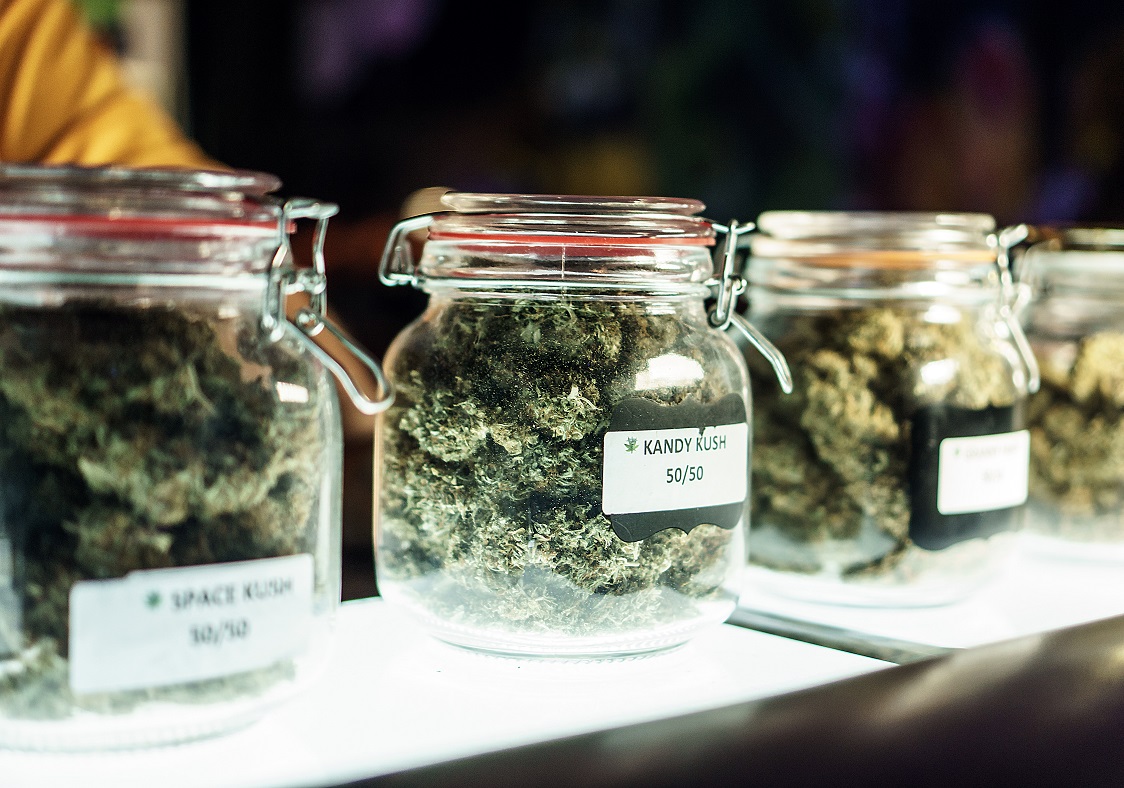
In what is an absolute lack of surprise to anyone who’s thought about the issue, the severe regulations imposed by the state of California on legal marijuana shops means the majority of marijuana sales take place in the black market.
After five years of legal recreational marijuana, sales in the illegal market are estimated to be twice the volume in legal stores.
This is the 32nd article I have written covering the legalized recreational marijuana market. You can see my other articles by clicking on the regulation experiment tag.
One way to measure how severely the legal marijuana business has been restricted is to look at the number of licensed marijuana shops per 100,000 residents. For six Western states that allow recreational sales, here is the number of legal dispensaries per 100,000 people:
Modern Cargo container ship giving an idea of the amount of cargo that can be carried. Each of those containers is one semi-load on the freeway. Image courtesy of Adobe Stock.
Seems like most industries have a tangled supply chain. The entire transportation system is sorely distressed.
The elitists in federal and state governments have a staggering level of hubris. They think waving their hands, clicking on their laptops, issuing press releases will make the entire economy bend to their will. What they accomplish is willfully causing disruption in your life and in my life.
Here are merely a few of the recent articles describing the tangled impact of Covid dictats and sundry government policies:
Lots of cargo ships are waiting to unload off the California coast.
Large port operator expects disruptions to last into 2023.
Workers in transportation sector warn of possible system collapse.
Chip shortage for carmakers will last into late 2022.
Looks like it might take another 15 or 18 months to untangle the worldwide supply chain.
A tweet I saw this morning (10/9/21) from someone flying out of Long Beach indicated the individual counted 50 ships waiting to unload.
At around 10,000 containers per ship that is somewhere around 370,000 containers waiting to be unloaded back in the middle of August and is now currently somewhere in the range of half a million containers sitting off the coast.
Article says a few months ago it was only nine. Normally it is zero.
Random stock outages are still common. Image courtesy of Adobe Stock.
The supply chain in most industries is tangled up somehow somewhere.
The people in federal and state governments with the staggering level of hubris to think they can wave their hands and make the entire economy do their bidding are willfully causing disruption in your life and in my life.
I am struggling to figure out what’s going on around us in the economy. These are confusing times.
That is why I blog. Digging into news reports and statistics deep enough to write something coherent (hopefully) pushes me towards understanding. At least that’s the concept.
The next several posts I have lined up will explore some economics aspects of this confusing world.
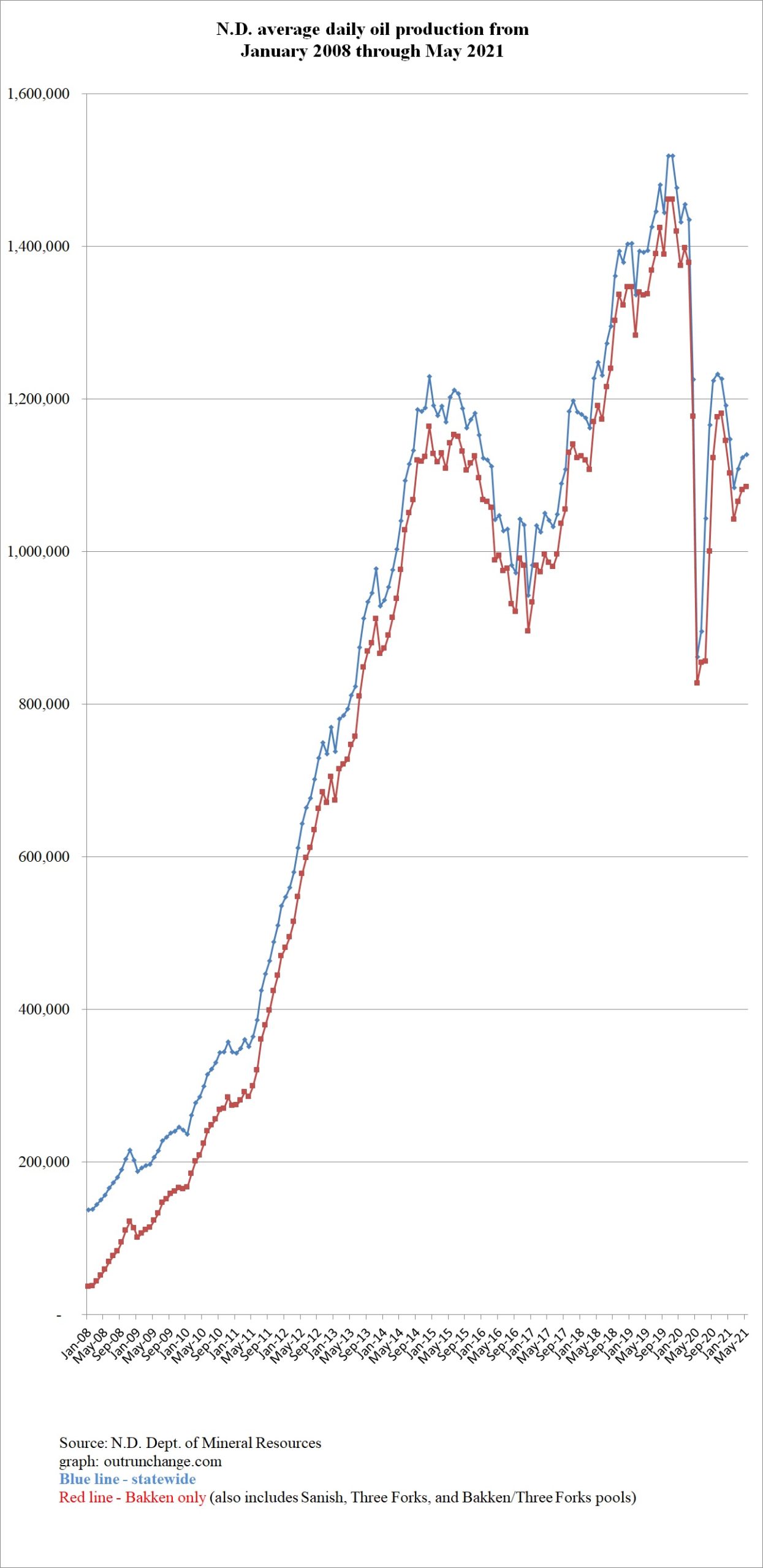
Previous post showed a graph of average daily production in North Dakota. After a record high of 1.52M barrels of oil per day (bopd) in 11/19, production dropped to a seven year low of 862K bopd in 5/20. Production recovered to1.32M bopd in 10/20 before dropping to 1.08M bopd in 2/21 and sitting at 1.12M bopd in 4/21 and 5/21.
The good news for the state is oil prices have been recovering.
Prices for North Dakota light sweet had been in the $40s to low $50s for 2019 and most of 2020 before dropping and hitting a rocket disrupted price of $9.16 in 4/20 and $7.92 and 5/20.
Prices recovered to $32.35 in 6/20 and then slowly increased to $63.62 in 6/21 and are at average of $50.50 in 7/21.
Graph at the top of this post shows the4 North Dakota Light Sweet, West Texas Intermediate, and an estimate for the average price realized in North Dakota.
What does the dramatic swing in prices combined with the dramatic swing in production look like in terms of the amount of revenue realized by producers?
Above video is parody of the song “Imagine”, showing the actual results from communism every time it has been ever been tried: empty store shelves, hunger, poverty, repression, political prisons, and death.
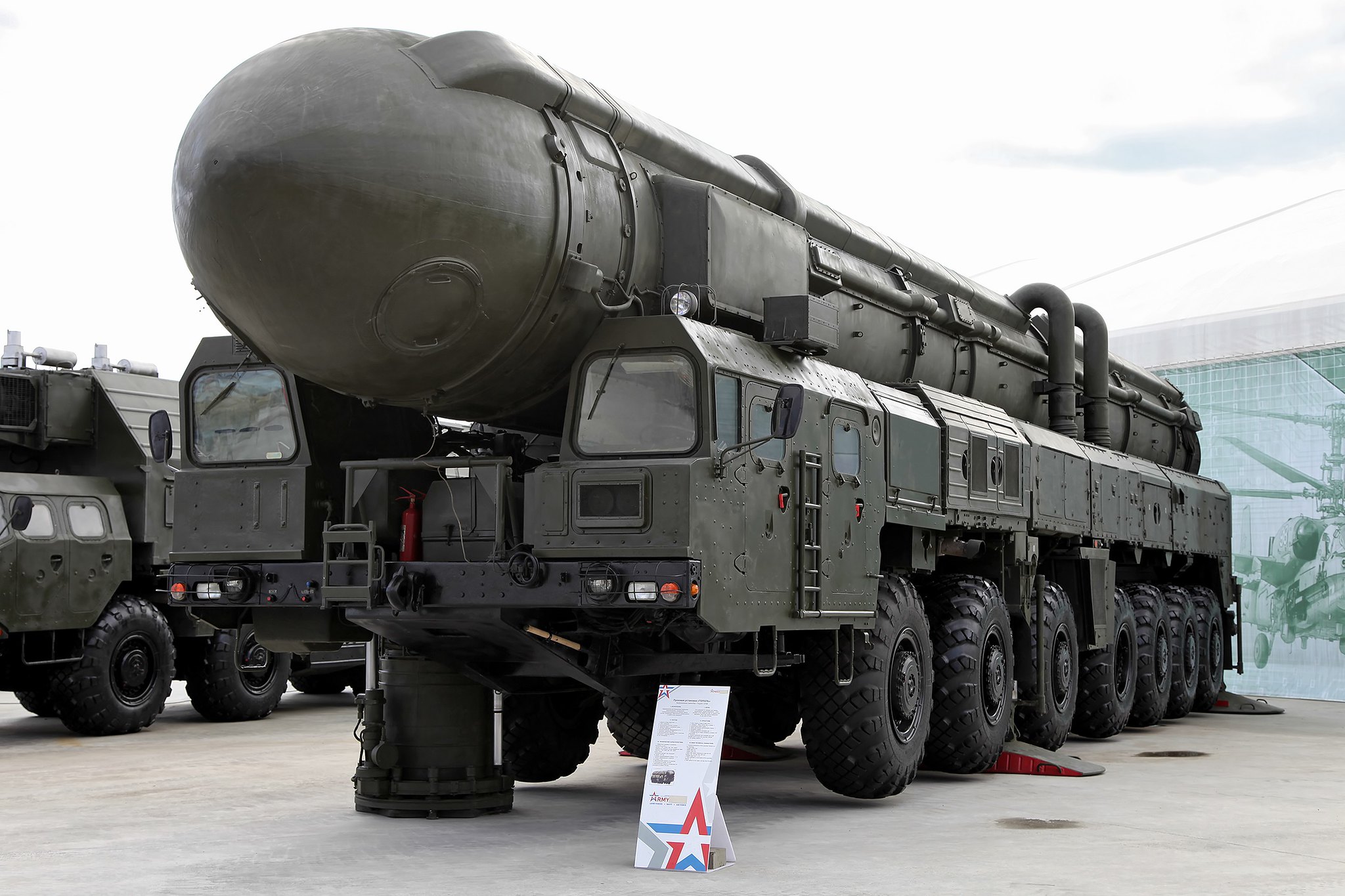
The missile trailer located in the compound of the Oscar -01 launch control facility at Whiteman Air Force Base, Mo. (Photo courtesy of U.S. Air Force). No date or further attribution attached to photo. (Note – if the access door is open and missile transport is getting ready, that is actually a launch facility, not and LCF.)
The Stockholm International Peace Research Institute publishes a huge yearbook every yeare. I just learned about this. Yeah, yeah, I’m slow to catch on. I know. That’s why I’m writing this blog – to slowly catch on.
Anyway, I will not be buying the new edition because it runs about $100. Recent copies will run $60-$150 on eBay so will not be getting any of those. Copies 10 years or more from the past can be had for under $10. Might get one of those.
On 6/14/21 SIPRI announced release of their hot-off-the-press 2021 edition. Scroll to the very bottom of the linked page and you can see a link to a free copy of chapter 10 on World Nuclear Forces.
Following tables slice and dice information in the press release and chapter 10 for their estimates of world nuclear forces as of January 2021.
In the following tables, “deployed” is estimate of the deployed warheads either placed on missiles or located at bases where there are operational forces, which would allow rapid loading of the weapons.
“Other” means the warheads which are stored, reserves, or retired awaiting disassembly.
A foot note reminds us the British previously had an announced goal of dropping their inventory down to 180 but they announced this year they will increase the ceiling to 260.
The estimates for North Korea are guesses on how many weapons could be built based on the amount of fissible material they have produced.
Our weapons, along with our closest strategic allies:
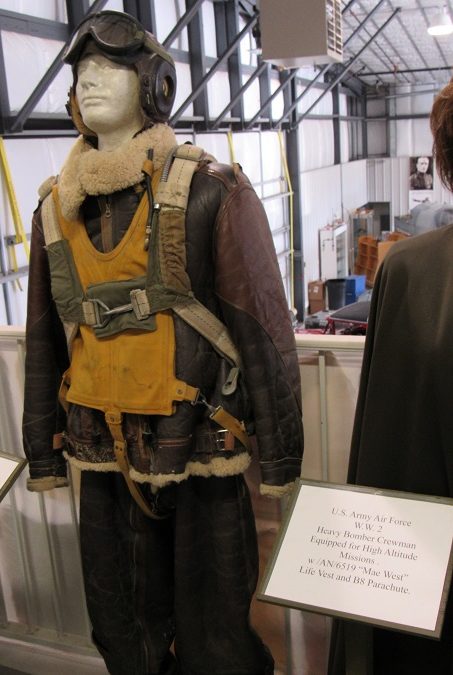
Heavy bomber crewman, U.S. Army Air Force, World War 2. Photo from Legacy Flight Museum in Rexford, Idaho by James Ulvog.
Our freedom is under rapidly increasing assault by many politicians who think they are kings and queens appointed by divine right instead of having merely won a few more percentage points of the vote than their opponent in the last election. In the last year public health officials at the federal, state, and county levels who lack self-awareness of how often they beclown themselves have joined in the efforts to shred our liberty.
As a result of these attacks, it is ever more important that on this Memorial Day we remember those who shed all their blood so that we may be free.
A ‘thank you’ from me is so trivial, yet that is all I have.
I will demonstrate my appreciation for freedom purchased by others by exercising freedom.
Yesterday I exercised my freedom of religion. Tomorrow I will exercise my economic freedom, also called pursuit of happiness, by running my business the way I choose.
I have posted variations of the following ideas several times before. I will continue to make these points routinely.
Union Infantry private, U.S. Civil War, 1961-1865. Photo from Legacy Flight Museum in Rexford, Idaho by James Ulvog.
While touring the U.S.S. Midway Museum in San Diego early this month, I wore a “U.S. Air Force” ball cap with various stuff pinned to it, such as the rank I wore, a missile badge (“pocket rocket” for those who know), SAC logo, and a rectangular piece of metal that declares “Combat Crew.”
During the course of walking around, I got lots of glances and several comments of “thank you for your service.”
Also got some joshing comments from the retired Navy guys about them ‘allowing’ me on their ship. Since we were all on the same team back in the day, the kidding was pure fun.
I was on active duty for only four years and that was decades ago. I never got within 3,000 miles of hostile action. (Of course if the flag had gone up, I would have been radioactive dust at 20,000 feet altitude about 40 minutes later.)
As a result, I was uneasy for a long time when someone said “Thanks for your service.”
It took me a few years to get to get comfortable with those comments.
I now graciously and proudly accept those expressions of appreciation from my fellow Americans, but not because of what I did so long ago.
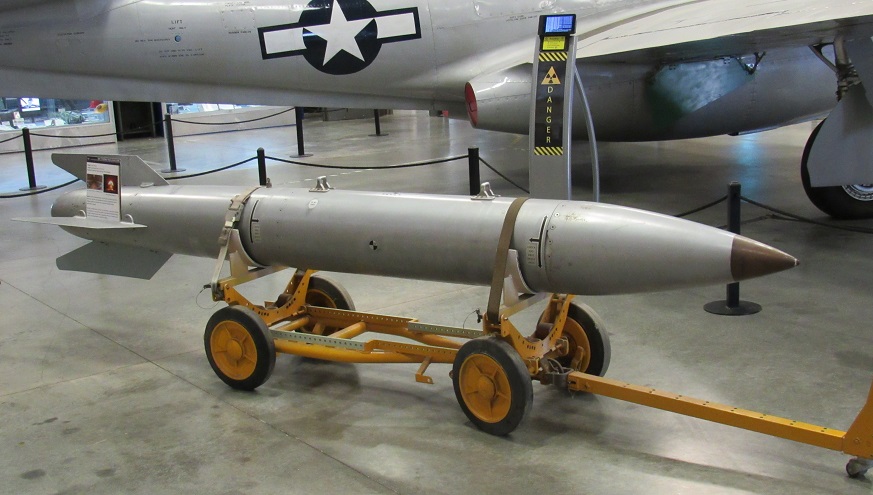
B61 thermonuclear bomb on display at March Air Base Museum, Riverside, California. Photo by James Ulvog.
Nuclear weapons carried on U.S. Navy warships back in 1990 is the focus of the preceeding four posts. Topic caught my interest after a recent tour of the U.S.S. Midway Museum in San Diego, California.
Turns out there were a lot more nukes at sea with the Navy than I realized.
Links to the four posts, totaling just over 3,000 words, are below along with a brief description of each post: