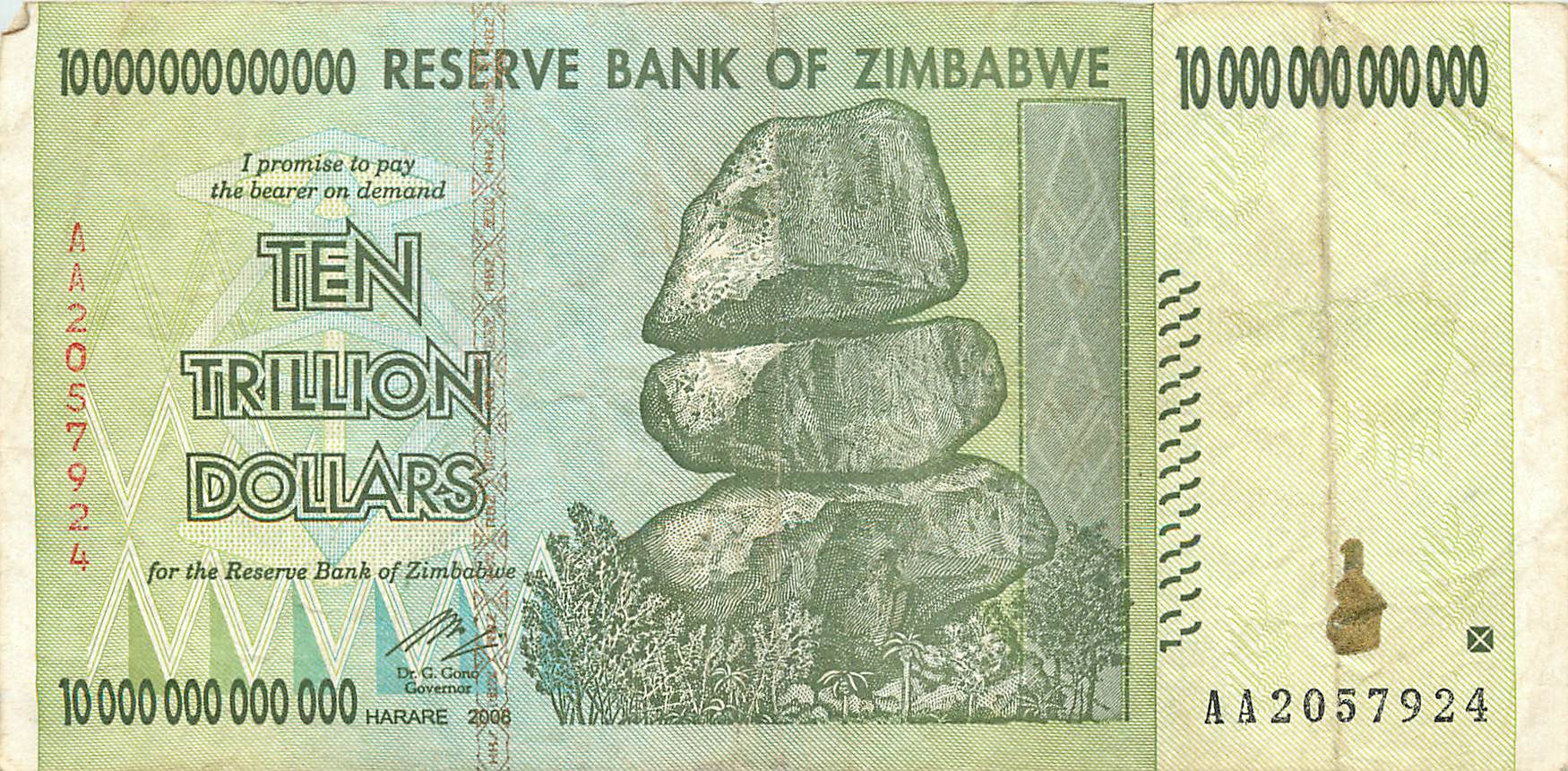
Ten trillion Zimbabwe dollars. Not the largest currency in circulation, but close. Government is withdrawing them at rate of Zim$250T to US$1.
When I described This is what hyperinflation looks like, I mentioned the Zimbabwe government was withdrawing all currency from circulation. They were exchanging 250 trillion Zimbabwe paper dollars for one US dollar.
The $10 trillion bill, pictured above is worth US$0.04.
For many years US dollars and South African Rands have been used as the de facto currency. The two Rand coin is worth about $.16 so the one and two Rand coins are used for making change.
With the Rand depreciating after having been stable for a long time, there is need for another way to make change.
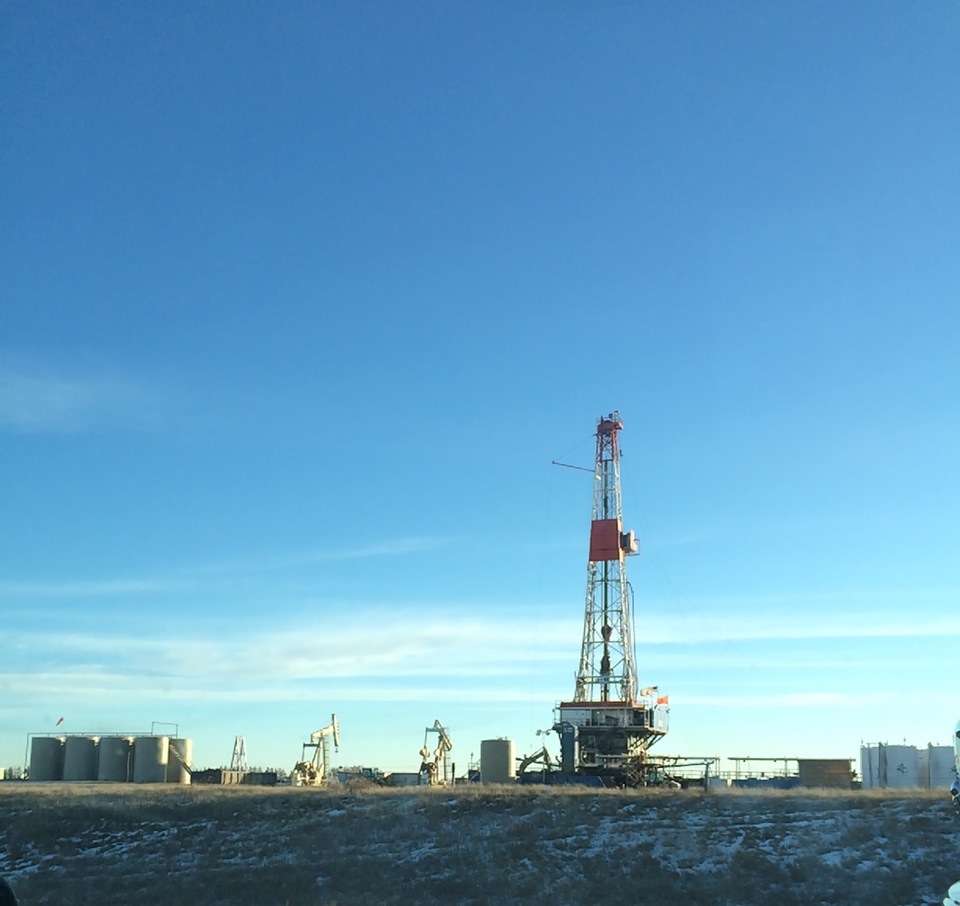
50,000 more wells over the next 25 years? Drilling rig in North Dakota. Photo by Melisa Ulvog.
Guesses on the total number of wells expected to be drilled in the Bakken and Three Forks keep increasing.
8/14 – Amy Dalrymple at Oil Patch Dispatch – 10,000 Bakken wells drilled, 50,000 to go, Helms says – Try this on for size – The wells drilled to this point in Bakken field are one-sixth of the total that will eventually be drilled.
For every well in place, there are five more that will be drilled.
I haven’t seen much news on the legalized marijuana industry lately. Maybe I’ve not been paying enough attention.
For a reminder, the reason I’m talking about this issue is my hypothesis that overregulation will severely constrain this brand new industry. This is a natural experiment on how regulation affects an industry.
Update: Federal trial on 11 counts is underway in October 2015. Links to all posts covering the federal trial are at this post.
A federal grand jury has returned a third superseded indictment against Keith Graves. As you recall, he has been charged with multiple counts of human trafficking in federal court. He is representing himself as he prepares for his trial which is still scheduled to start October 19, 2015.
The third update to the indictment adds two new items: an 11th count for trafficking another person and a forfeiture allegation.
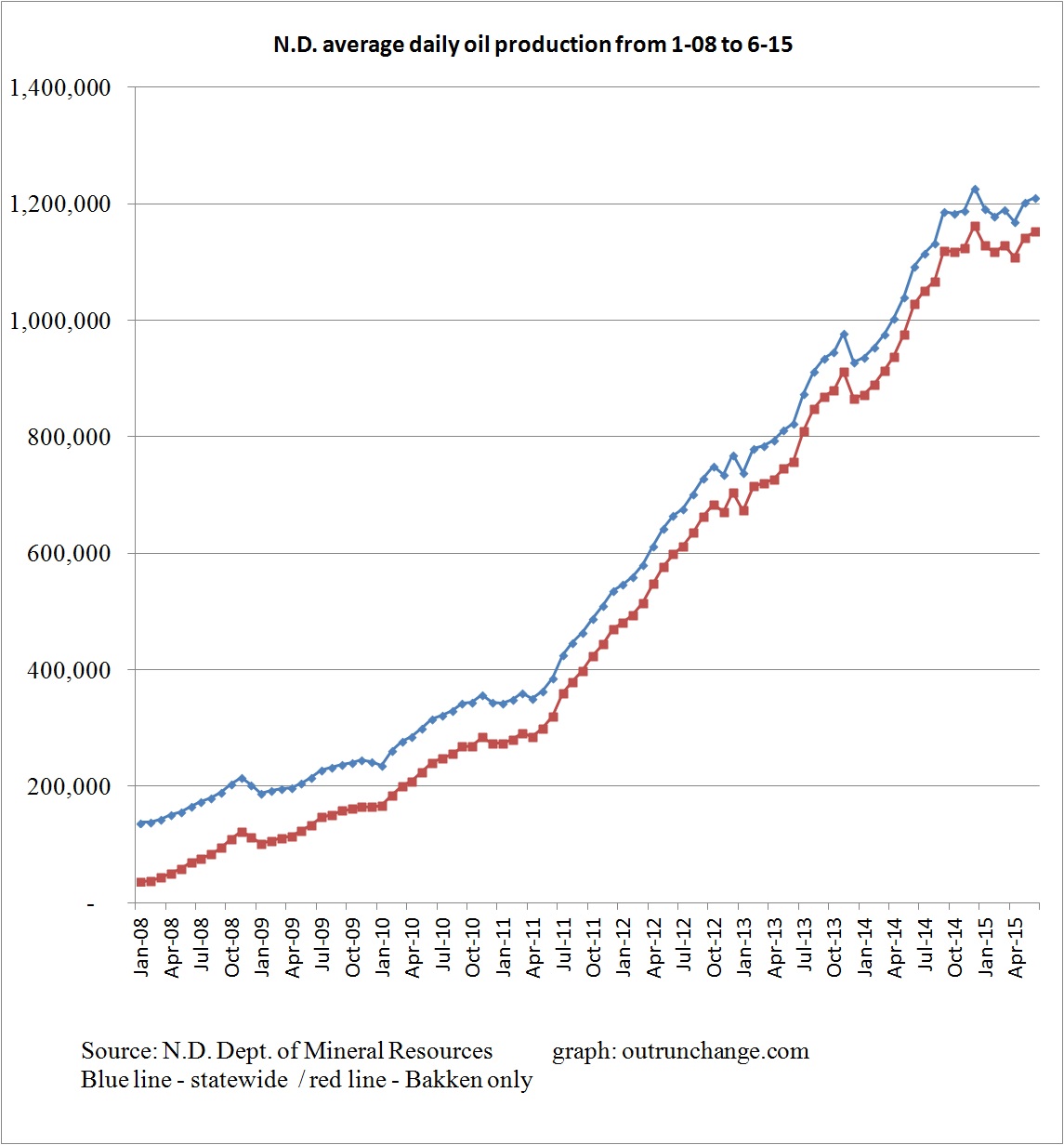
Production of crude in the state increased to 1,211,180 bopd (prelim) in June from 1,202,615 bopd (final) in May. That is up 8,565 bopd. Only month with higher average production was December 2014 at 1,227,529 bopd.
Keep in mind the goal of the Saudis when they kicked off the price war was to take Bakken production off the table. I don’t think the results above are quite what they had in mind.
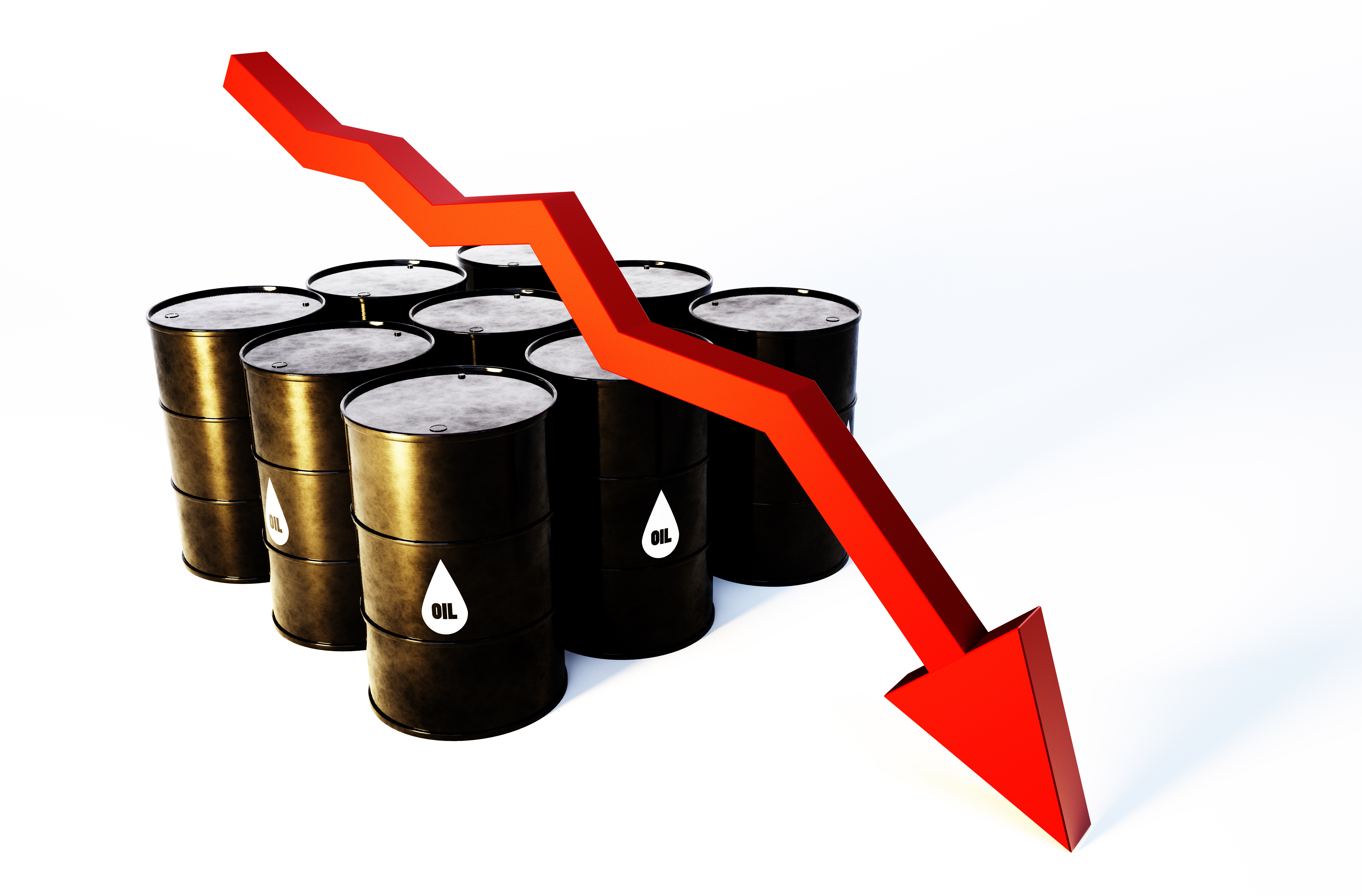
What oil production curve should have been for last couple of decades according to Peak Oil doctrine. Image courtesy of DollarPhotoClub.com
Ridicule is the appropriate way to address the false idea that oil production follows a bell curve and at any moment production will drop off and head to zero. Gonna’ happen any hour now. It is an undisputed scientific certainty…
Only problem is the inconvenient truth that production has consistently blown out every prediction from the peak oilists. It’s almost like the entire concept is bogus.
8/11 – Ronald Bailey, author of The End of Doom, at Reason – Peak Oilers Shut Up Forever Please – One of the main apostles of Peak Oil precisely calculated the peak of oil production would be Thanksgiving Day in 2005 with an inevitable, unavoidable decline thereafter.
The absolute peak production, never to be seen again?
85M bopd.
Please remember Peak Oil doctrine clearly states that production will drop the day after the peak and enter a bell shape curve decline, quickly heading to zero. Production graphs are supposed to have already resembled the image at the top of this post.
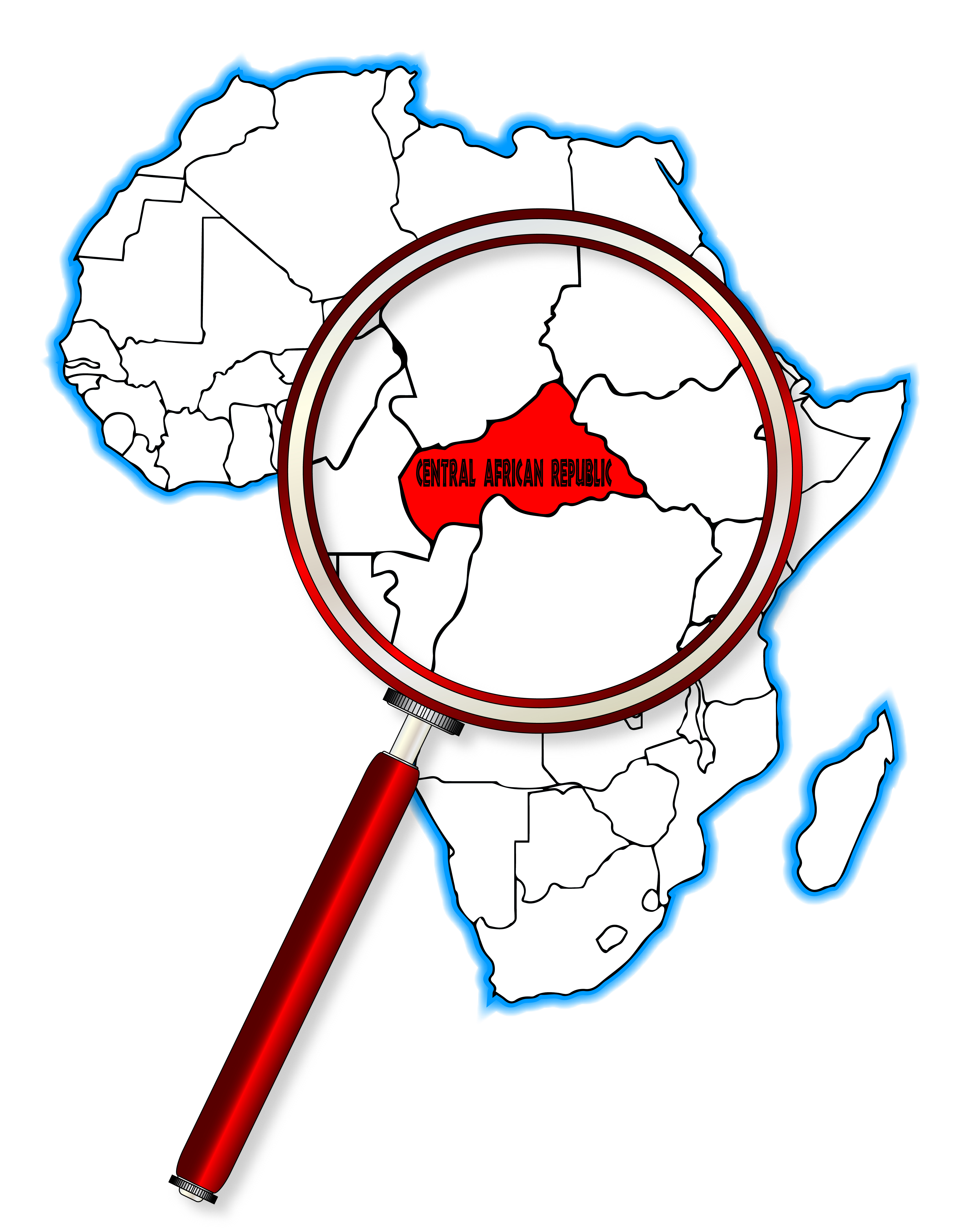
Central African Republic. Image courtesy of DollarPhotoClub.com
Media coverage of the tragedy in Central African Republic is taking on a slanted, agenda-laded bias worthy of American media in a U.S. presidential race.
(I have been sitting on this post for months. Think it is time to post.)
Shouldn’t be necessary, but I suppose it is necessary to say I denounce the destruction of religious houses of worship, especially when such facilities are targeted because they are houses of worship. I also denounce violence targeted against people because of the way they worship.
Let me know if you think the following articles are talking about the same country.
Hasn’t been a lot of news from Mali lately, or at least that I’ve seen. Probably just a reflection on my poor ability to pay attention.
Well, there was news last week.
Islamic extremists (that’s the description in the AP article) attacked a hotel in Sevare, taking hostages and battling government troops. A Malian special operations team flew in from Bamako to join the fight and retook the hotel. The rebels held the hotel for about 24 hours.
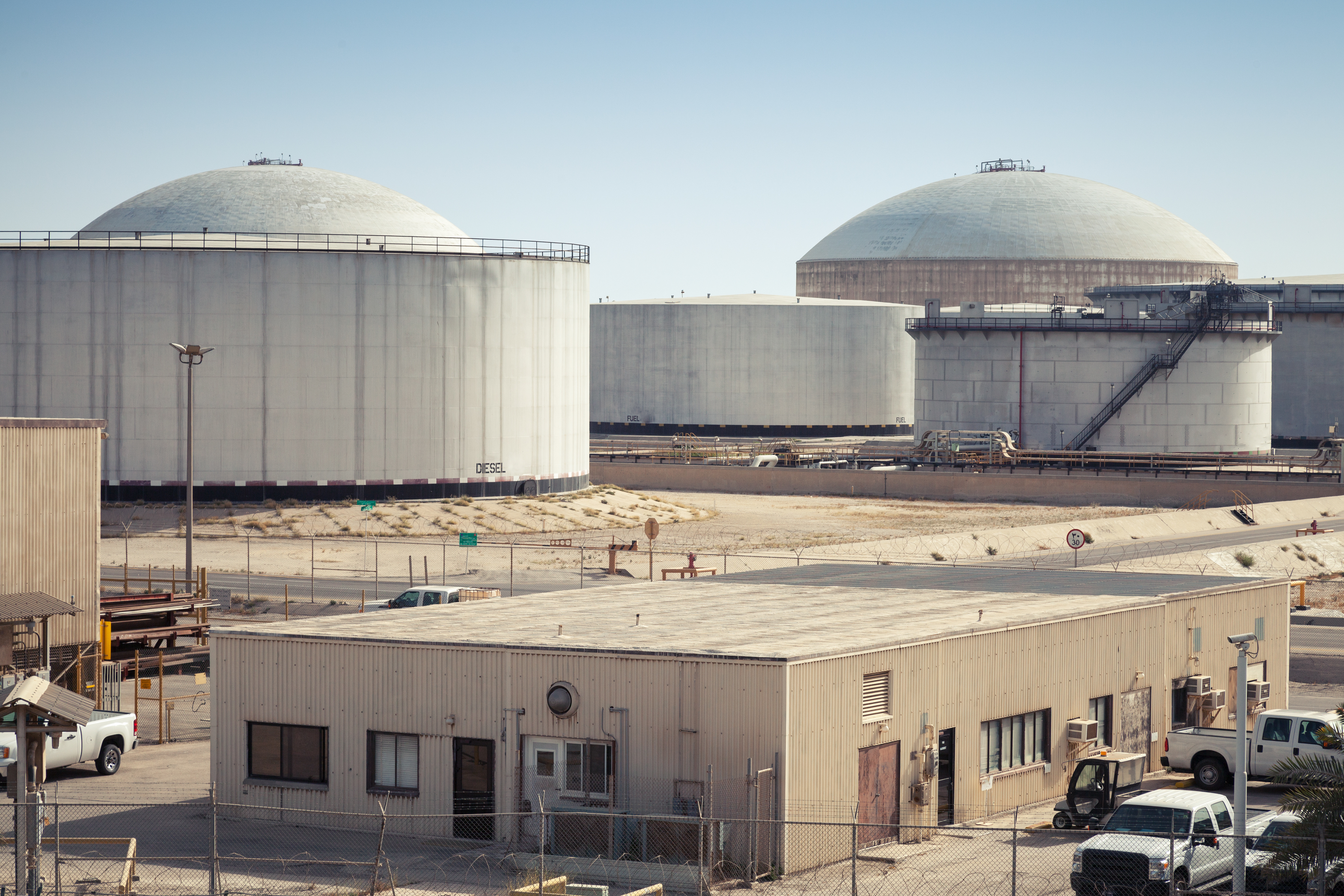
Ras Tanura oil terminal in Saudi Arabia. Photo courtesy of DollarPhotoClub.com
VERSUS
5 oil pads in North Dakota, 1 with drilling rig. Each pad may eventually have 3 or 10 wells. Photo by James Ulvog. October 2014. Yeah, yeah, I’m not much of a photographer.
Three fascinating articles to give some perspective on global oil market. Might want to get a fresh cup of coffee, this will be a long read.
From immediate appearances, Saudi Arabia is in financial distress because of low oil prices. On a longer-term perspective they are in extremely severe trouble. OPEC as an organization is essentially done. Entertaining to watch one writer tried to blow off all of the above information.
First, the immediate indication that Saudi Arabia is having serious trouble now.
8/5 – Financial Times – Saudi Arabia plans $27bn in bond issues– Saudi Arabia has already borrowed $4B in the bond market. They are floating ideas of borrowing $5.3B a month through the end of the year for an additional $27B debt.
With selling around 10.3M barrels a day at price of around $50 which produces somewhere around $188B a year, why are they tiptoeing back into the debt market?
Car dealers and bank loan officers, please sit down.
Apparently home solar installers are all up in arms because Arizona now requires them to tell customers how much they’re going to pay over the term of the contract. Yes, you lenders who have to deal with truth-in-lending laws that have been around since, oh, before you were born can now chuckle.
Typical roof-top solar contracts run for 20 years and have built-in annual price increases. When told the total of what they will pay, many customers choose to buy the system instead of pay an extra fortune over two decades.
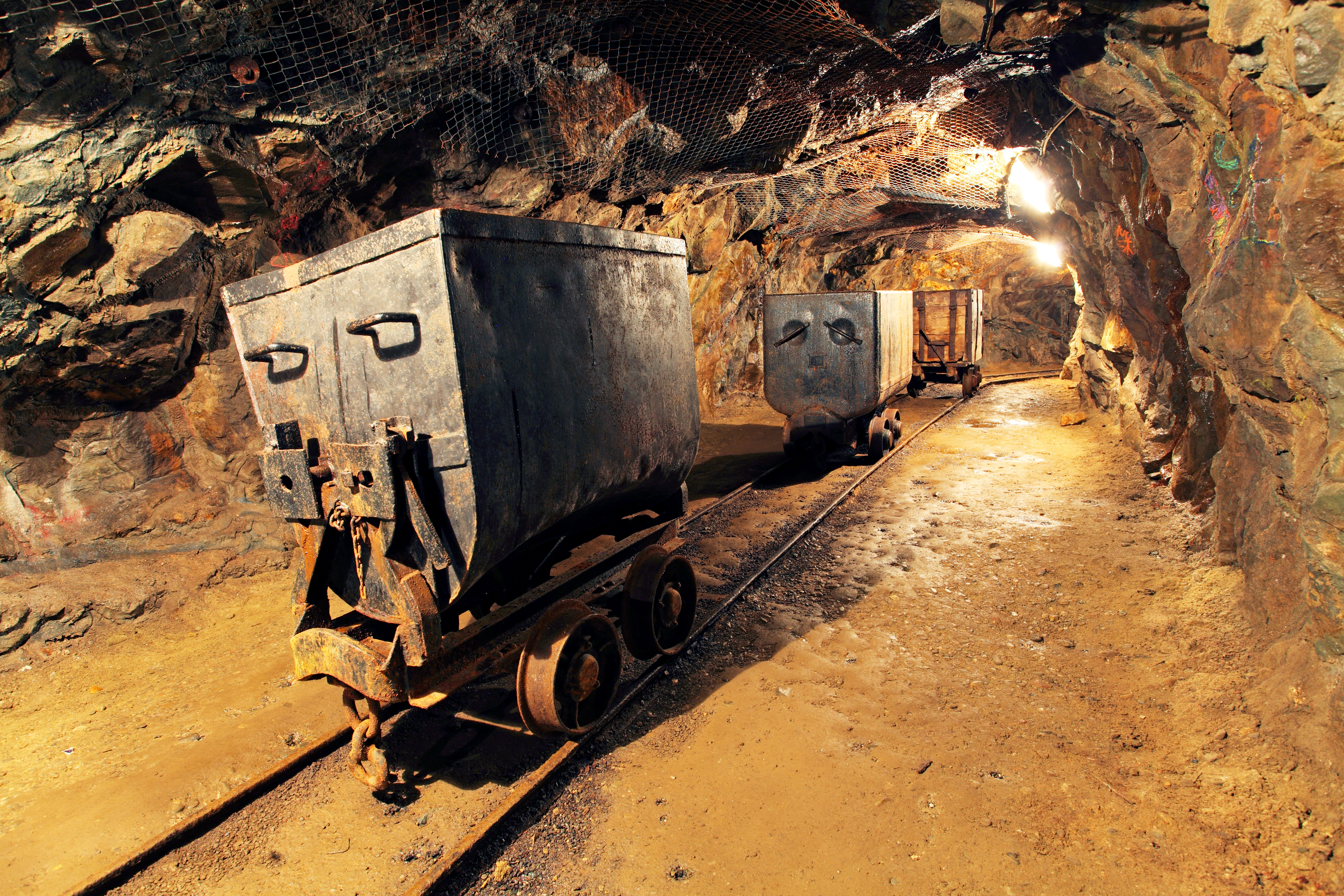
The Frank-Dodd Act of 2010 requires companies to report whether there are any conflict minerals in their supply chain. This would include any gold, tin, tantalum, or tungsten originating in the Democratic Republic of Congo. The feel-good intention is to hurt militia groups funding their violence by selling those minerals.
The completely foreseeable yet unintended consequences are to hurt poor people, slightly inconvenience the militia warlords, and impose huge costs on American businesses. Oh, and starting next year, generate huge fees to CPAs.
Here’s a quick tour of articles to make my point. First some background:
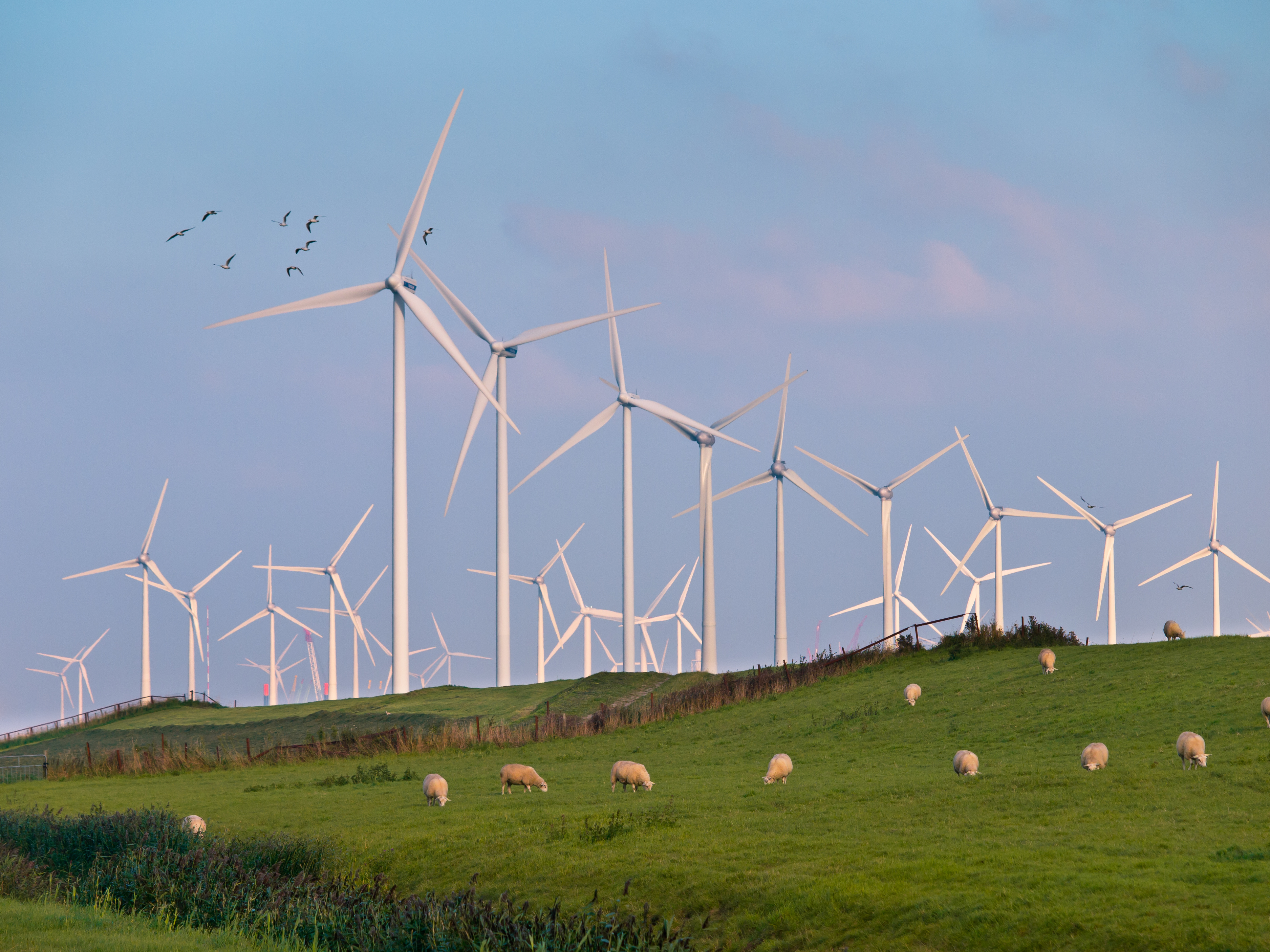
Birds at risk of finding out why turbines are called slice-and-dicers. Picture courtesy of DollarPhotoClub.com.
A 10 year study looking at nesting patterns of nine species of grassland birds in the Dakotas found that seven of the species relocated their nests away from good breeding ground after wind turbines were constructed.