More cool pictures of Heritage Flight presentations, all courtesy of U.S. Air Force:
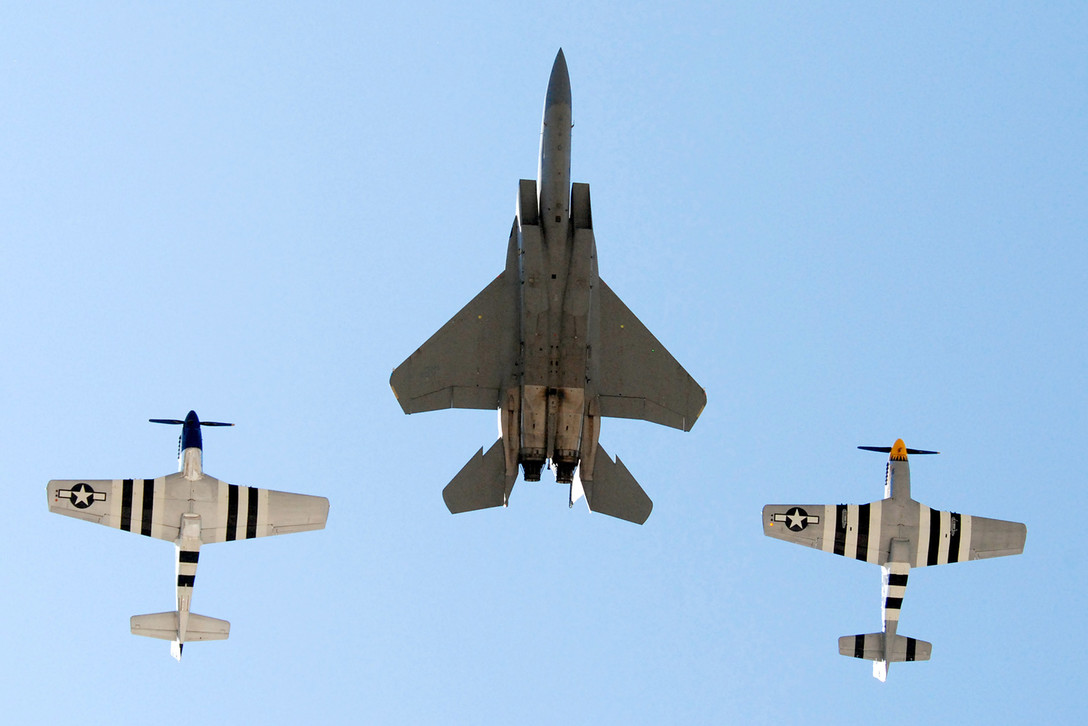
Nice view from underneath of two P-51s and an F-15, with great comparison of relative size. Notice space used for engine(s) for visual of relative power, with intake, engine, and exhaust of F-15 being about same length as an entire P-51:
An F-15 Eagle from the West Coast Demonstration Team and a pair of P-51 Mustangs fly in formation as part of a heritage flight May 1 at Eglin Air Force Base, Fla. This is the final demonstration show for the F-15C, completing a 26-year career that began in 1983. The Air Combat Command team has performed more than 150 times around the globe. (U.S. Air Force photo/Staff Sgt. Mike Meares)
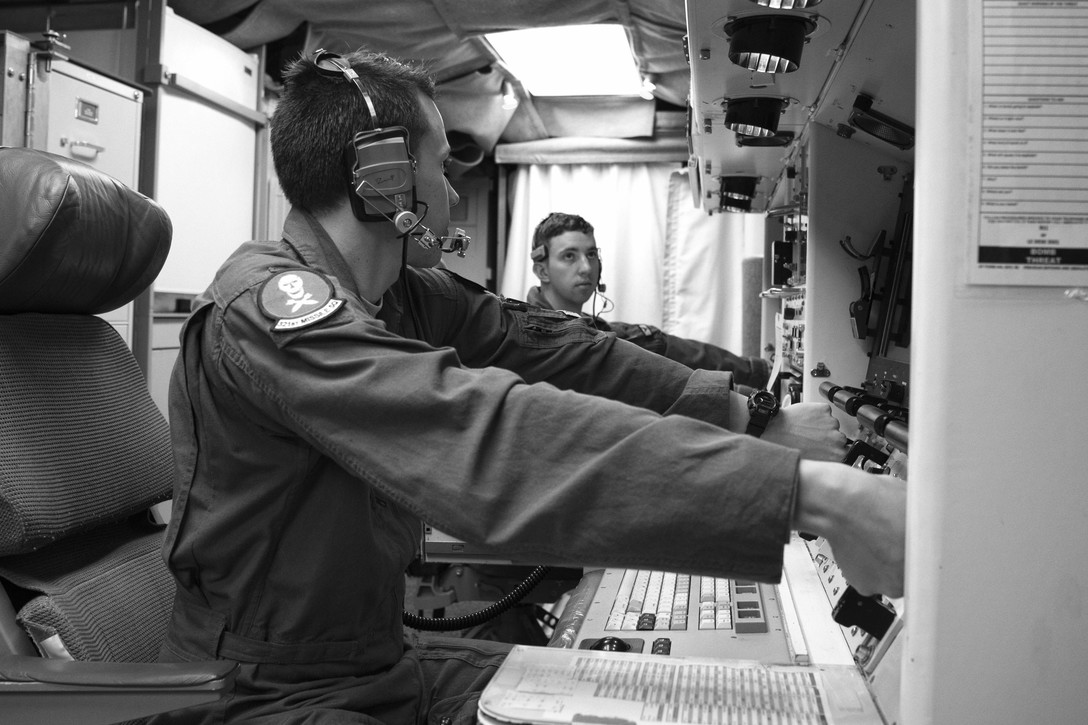
ICBM test contributes to continued deterrence Second Lt. ___ ___, the 321st SMS deputy missile combat crew commander, and 1st Lt. ___ ___, the 321st SMS missile combat crew commander, simulate key turns of the Minuteman III weapon system during a Simulated Electronic Launch-Minuteman test inside the launch control center at a missile alert facility in the 90th Missile Wing’s missile complex, Neb., April 11, 2017. (U.S. Air Force photo/Staff Sgt. Christopher Ruano) SELM tests use actual equipment in the field to make sure the equipment in an LCC and an LF can work.
It has lots of articles from the late 1970s through 1991. Reason I bought the book is for one specific article in 1983 dealing with US and Soviet nuclear forces. A table within that article was updated with a detailed inventory of strategic weaponry as of 1990. Several posts will discuss the 1990 inventory in detail.
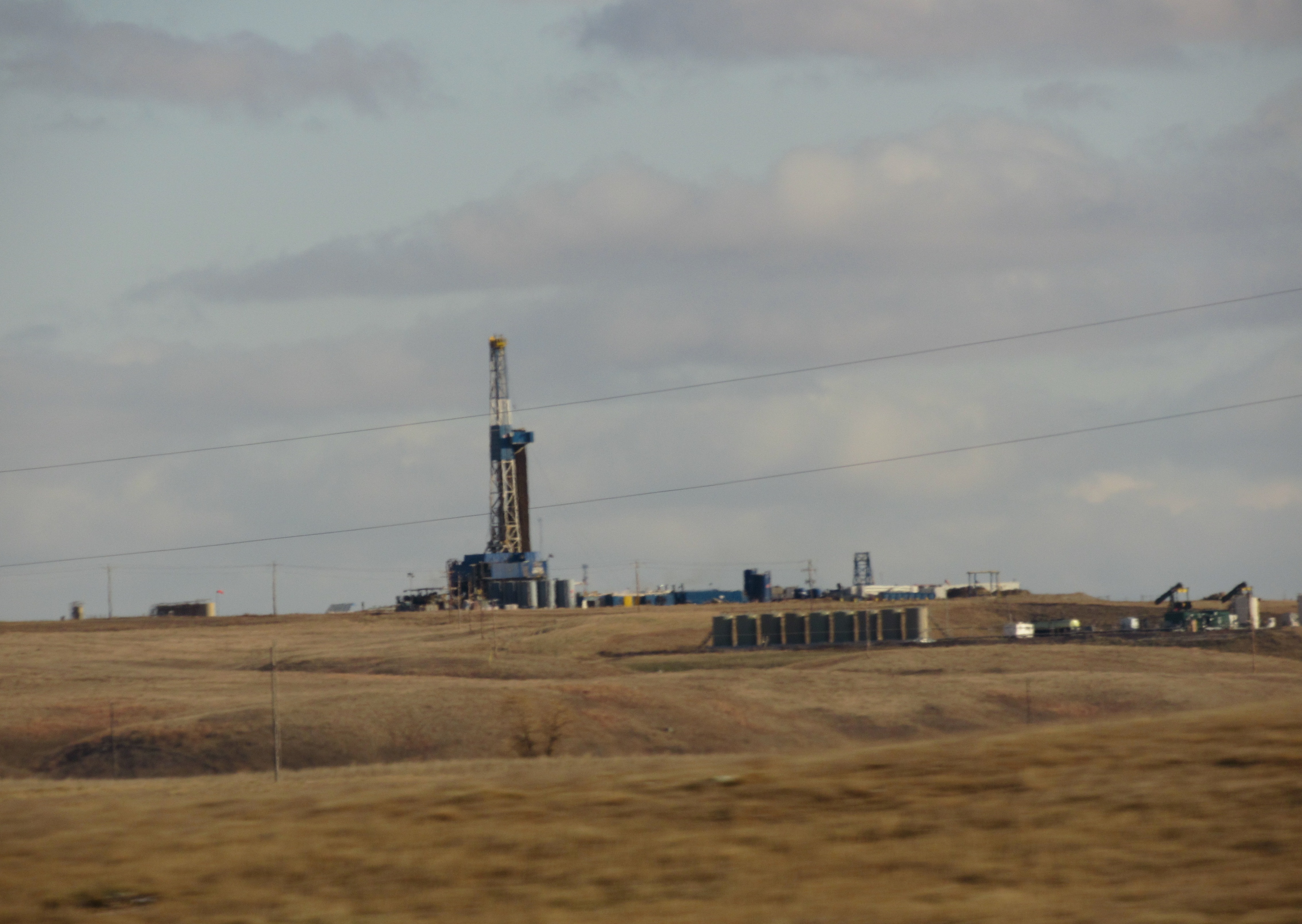
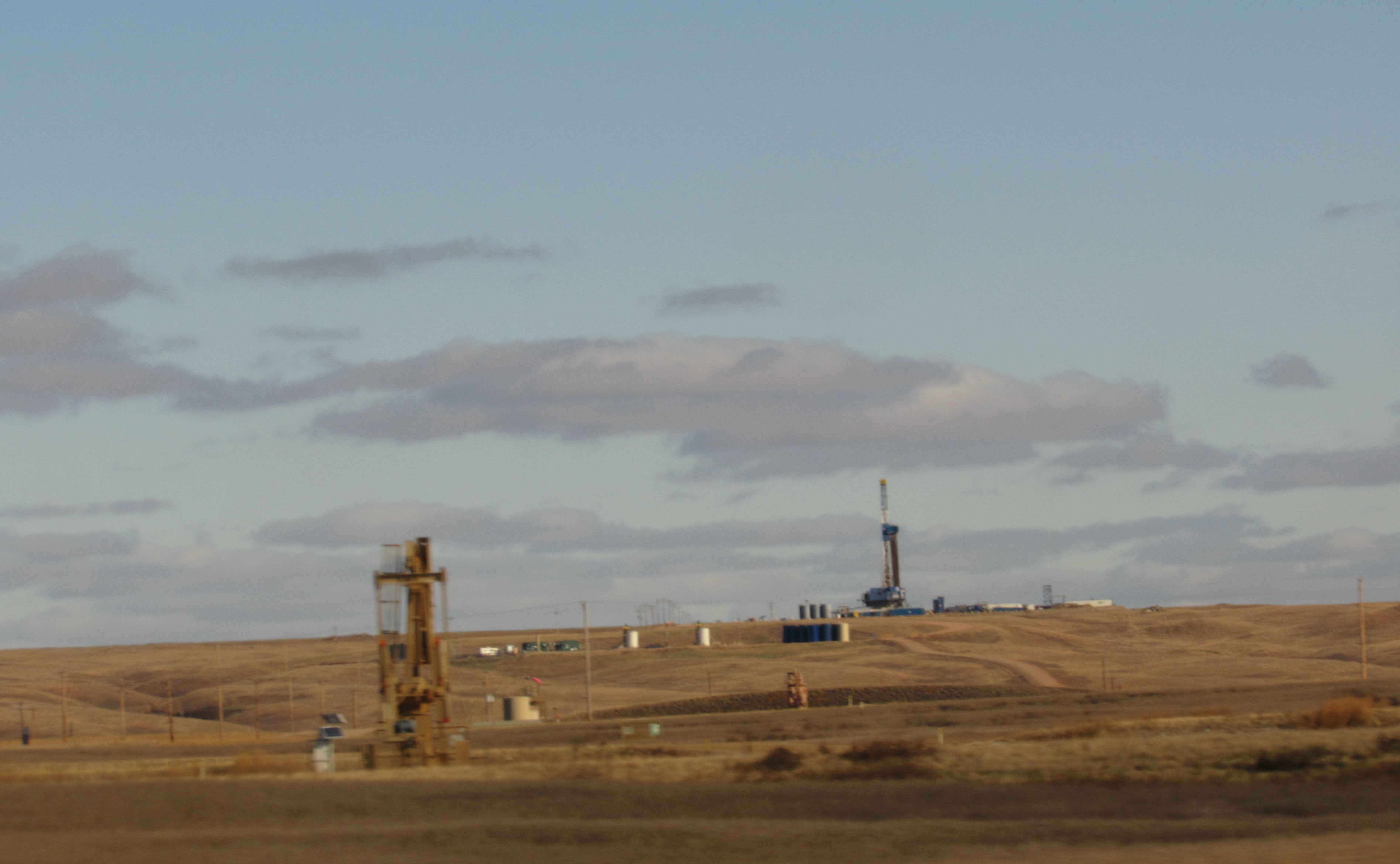
Drilling rig in North Dakota, between WIllison and Crosby. Photo by James Ulvog.
Saudi Arabia and Russia had a falling-out over the weekend about controlling production levels and prices. As a result Saudi Arabia is going to cut prices and increase production.
They have announced they will cut prices by somewhere between $6 and $8 a barrel in April, depending on destination.
Starlink Mission on 1/6/20 by Official SpaceX Photos is licensed under CC BY-NC 2.0 – A carefully observation will show the payload fairing reveals this not a Dragon capsule, but the photo provides a superb nighttime view.
Overnight SpaceX successfully launched a Falcon 9 booster with fully loaded Dragon capsule on a Commercial Resupply Service mission (CRS-20), lifting supplies to the International Space Station.
This specific capsule already has been to ISS twice. This will make its third trip up and third recovery.
Successful recovery of this specific Falcon 9 booster back at Cape Canaveral marked the 50th time that SpaceX has recovered a booster. Astounding.
This launch was at 10 minutes before midnight, resulting in quite different visuals than a daytime launch. You can watch the launch, recovery of the booster, deployment of the capsule, and deployment of the solar panels here:
Concord coach, from the days when Wells Fargo was the gold standard of honesty and integrity. Painting of Old Town San Diego is visible at top. Photo at Wells Fargo’s San Diego museum by James Ulvog.
To provide reference points for really big numbers, I’ve been accumulating information from articles that describe big things.
Some cool pictures of Heritage Flight presentations, all courtesy of U.S. Air Force:, with two more sets of photos to follow:
Superb profiles of P-51, F-15, and A-10 with great comparison of size of WWII and modern fighters:
A P-51 Mustang, an F-15 Eagle and an A-10 Thunderbolt II, fly the heritage formation over “The Show of Force 2007, From Heritage to Horizons Air Show” at Luke Air Force Base, Ariz., March 24. The show was part of Air Force Week, a week-long event designed to highlight the amazing things the Air Force is doing around the globe and to show appreciation to the local community for its support. (U.S. Air Force photo/Staff Sgt. Brian Ferguson)
A great age span – F-86 (Korea), P-38 (World War II), F-4 (Vietnam and Cold War), and A-10 (Cold War, Global War on Terror):
William H. Hughes, Jr., also known as Barry “Tim” O’Beirne deserted from the U.S. Air Force in 1983. He was found in 2018, arrested, tried by a general court martial, then convicted on September 5, 2018. He was dismissed from service and given a reprimand. He also spent 45 days in prison.
On October 8, 2019 the United States Air Force Court of Criminal Appeals upheld the conviction.
At the end of this post, I’ll ponder the severity of the sentence.
The disgraced former-officer, now-felon is William H. Hughes, Jr.
He had been hiding for 35 years under the assumed name of Barry “Tim” O’Beirne.
Watching news reports sometimes provides a glimpse into worlds far away that I’ll never visit. Such reports give some hint of what that world is like. There are lots of posts on my blog about such worlds. I wrote lots of posts about Silk Road, the on-line drug/ weapon/ body parts/ hacking tools/ contract murder web site.
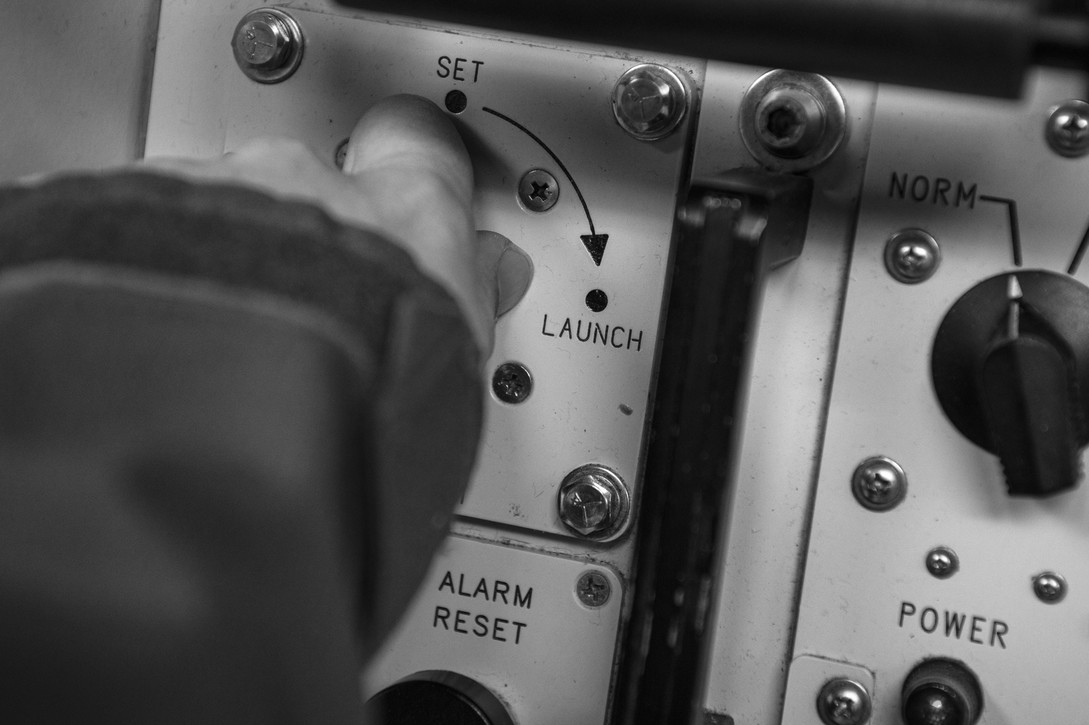
Keyturn – – First Lt. ___ ___, the 321st Missile Squadron missile combat crew commander, performs a simulated key turn of the Minuteman III weapon system during a Simulated Electronic Launch-Minuteman test inside the launch control center at a missile alert facility in the 90th Missile Wing’s missile complex, Neb., April 11, 2017. During a SELM, the missileers in the LCC are responsible for sending commands to the Minuteman III ICBMs in the launch facility. (U.S. Air Force photo/Staff Sgt. Christopher Ruano)
I will mention a variety of tidbits I found particularly interesting. If you enjoy this post, you will definitely want to read the full article.
You may see a lot of material you haven’t seen in print before.
Just to be clear, every comment in this post from this point forward is based on specific comments made in the linked article.
Article has extensive discussion on the increasing readiness of bomber and missile forces. Preparedness at levels DEFCON 5 through 1 are described.
Article also describes some of the various Postures, with explanation of what aircrews, maintainers, and missile crews would have been doing at different levels of readiness. Postures are described as immediate efforts to get bombers and missiles launched.
Previous post strung together my guesses, assumptions, and speculation to develop a table of how many nuclear weapons are on day-to-day alert and how many additional weapons could be generated to alert in what length of time.
Those guesses are for 2020, well after the U.S. won the Cold War and the Soviet Union, the bad ol’ Evil Empire, collapsed.
What would a comparable estimate look like for the depths of the Cold War? This post combines another string of guesses, assumptions, and speculation to figure out the available of U.S. nuclear weapons in 1980. Why that date? Well, it corresponds to when President Reagan won election, took office the following year, and then took necessary steps to conclusively win the Cold War. It also corresponds to the time frame when I was active duty.
Strategic Bombers
I’m fuzzy on number and armament of strategic bombers back in the 1980s. Wikipedia has List of B-52 Units of the United States Air Force. Going through the list of units active in 1980 I count 17 wings with 29 squadrons.
Producing well with pumpjack in the foreground. Drilling rig in background. Two more pads between them. Photo by James Ulvog.
Release of the December production data in North Dakota lets us look at production for the full year. Following graphs show the average daily production and total for the year. Multiplying the monthly data by the sweet crude price in North Dakota reported in the Director’s Cut lets us see the value of production by month and total value for the year.
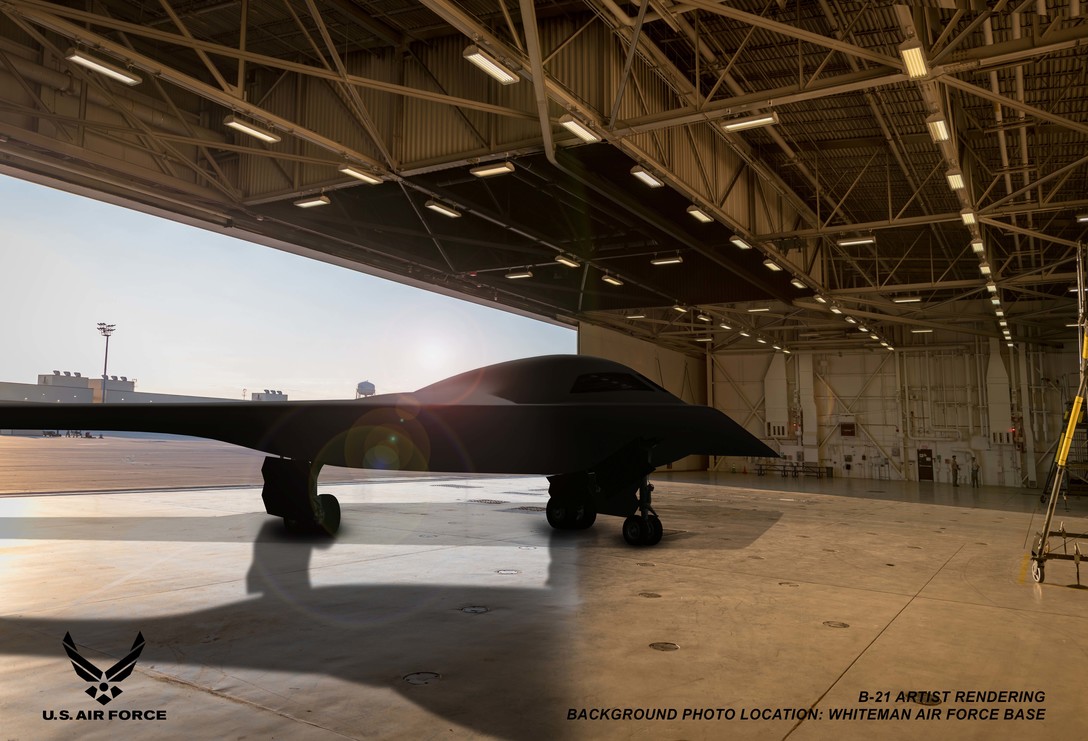
Artist rendering of a B-21 Raider concept in a hangar at Whiteman, Air Force Base, Missouri, one of the future bases to host the new airframe. (Courtesy photo by Northrop Grumman) (also courtesy of U.S. Air Force). Cost $550M each.
For a few indicators of the cost for some big projects and thus some reference points for big numbers, take a look at the Nuclear Notebook – United States nuclear forces, 2020, published by The Bulletin of Atomic Scientists.
Some projects with their specific costs mentioned in the article:
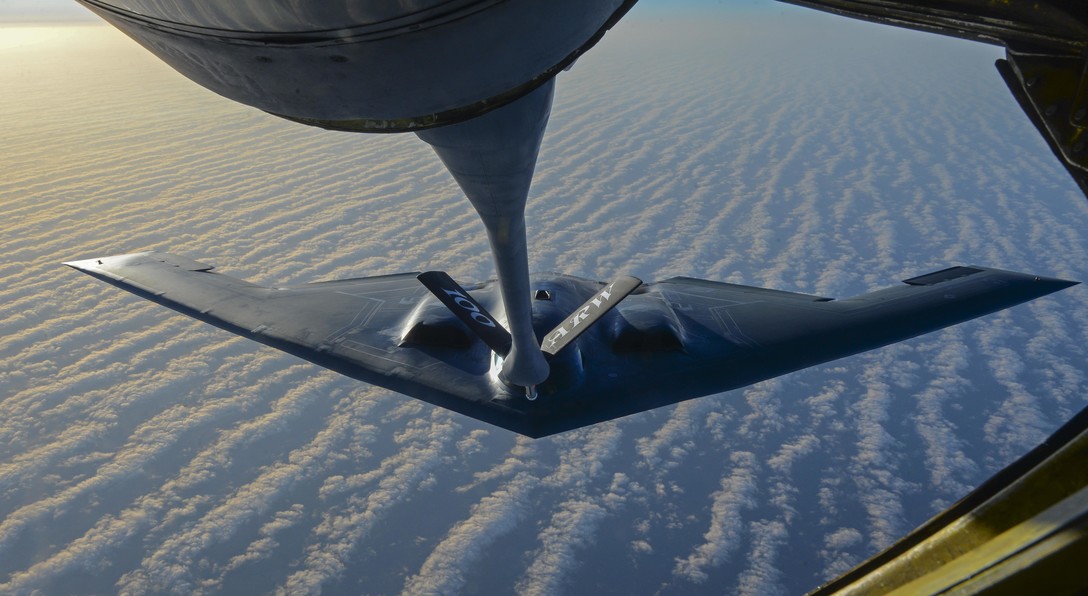
A KC-135 Stratotanker assigned to the 100th Air Refueling Wing Royal Air Force Mildenhall, England, prepares to transfer fuel to a B-2 Spirit from Whiteman Air Force Base, Mo., off the coast of Spain, June 13, 2017. (U.S. Air Force photo/Staff Sgt. Micaiah Anthony)
Previous posts have described the count of nuclear weapons in the U.S. inventory and how they are deployed. Future posts will dive into the inventory of other nuclear powers. Plan to have some discussion of the U.S. inventory at various times in the past.
Reading the various articles made me wonder how many weapons are available in what time frame.
(Update 2/28/20: Realized the photos of 1970s and ’80s weapon originally included in this post would be better in a comparable post discussing weapons in 1980. Photos moved. New photos added to this post.)
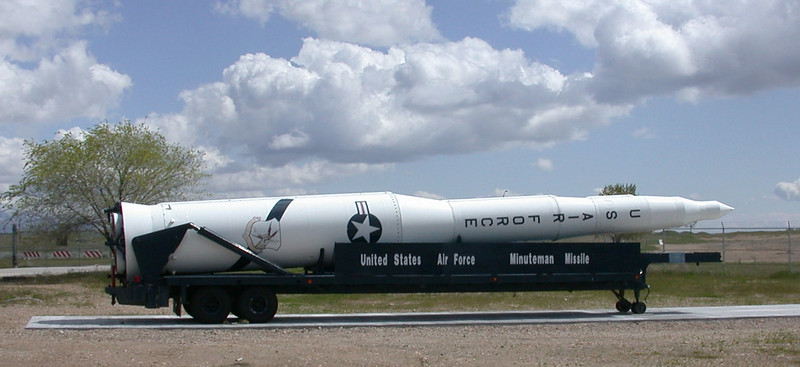
For example, the Minuteman-III loaded with the Mk12A reentry vehicle can carry 3 warheads but are only loaded with 1. It would take months to reconfigure 200 missiles with another 400 warheads.
Of the 12 Ohio-class subs not in refueling, 8 are usually at sea with 4 of those on-station. The other 4 are hours or days away from their assigned station.
There are guessed 200 ALCMs at Minot and 100 gravity bombs at Whiteman which would take a fair amount of time to load. It would take an even long time to transport the remaining 550 weapons out to Minot and Whiteman.
So, I took a wild guess at how many weapons are available to the president immediately and long it would take to get the remaining inventory on line.
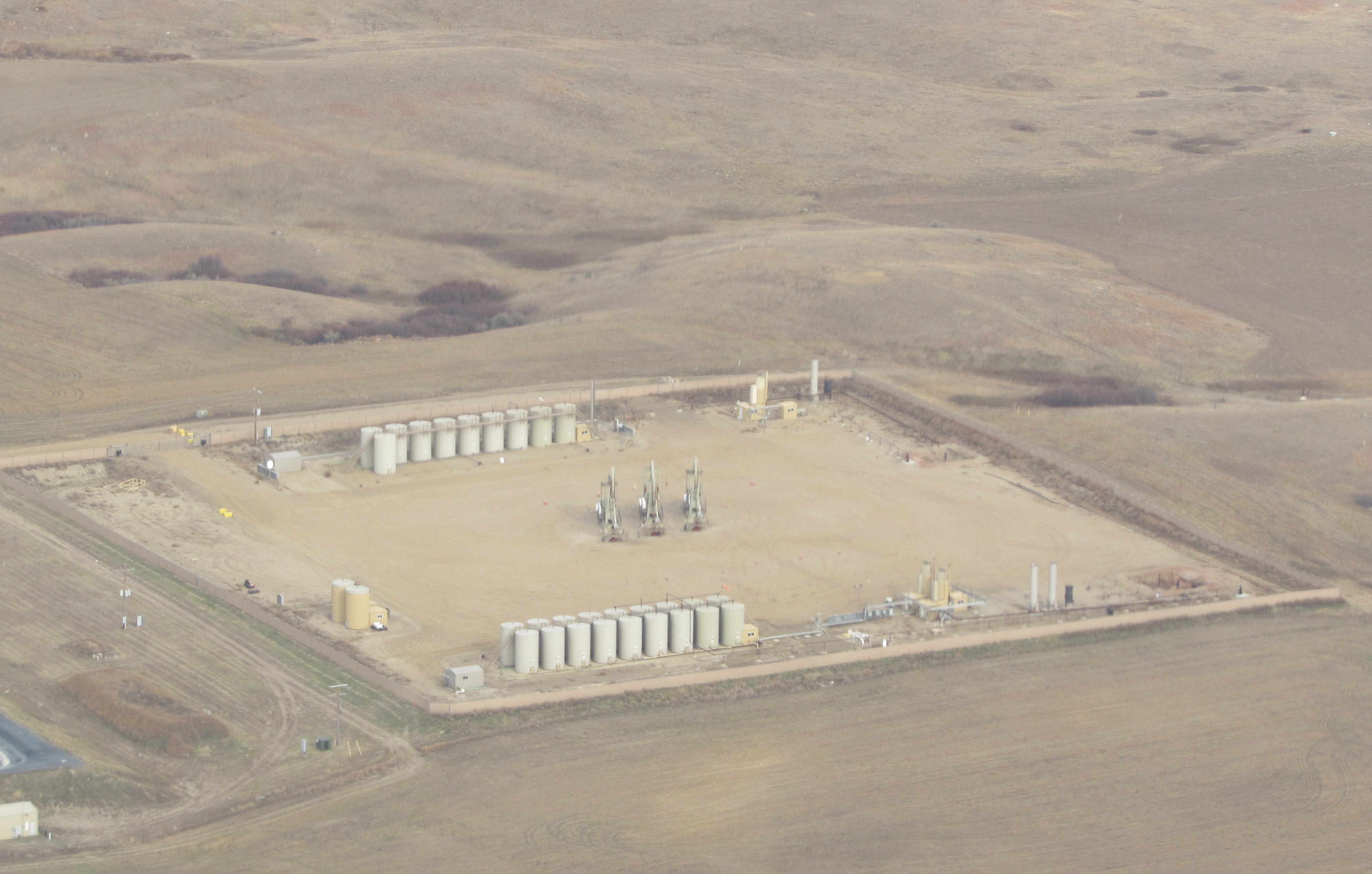
With a huge pad, lots of storage tanks, yet only three pumpjacks, notice how much room there is for more wells. Photo by James Ulvog.
Some background data for oil in North Dakota provides insight for the production info.
Drilling rigs have become more productive in recent years. In the past, say before 2014, the number of rigs directly tied into production levels. Now, with a variety of technologies, such as multi-well pads for example, the drilling time is down so the wells per rig are up.
A far lower number of rigs is needed to keep new well production rolling.
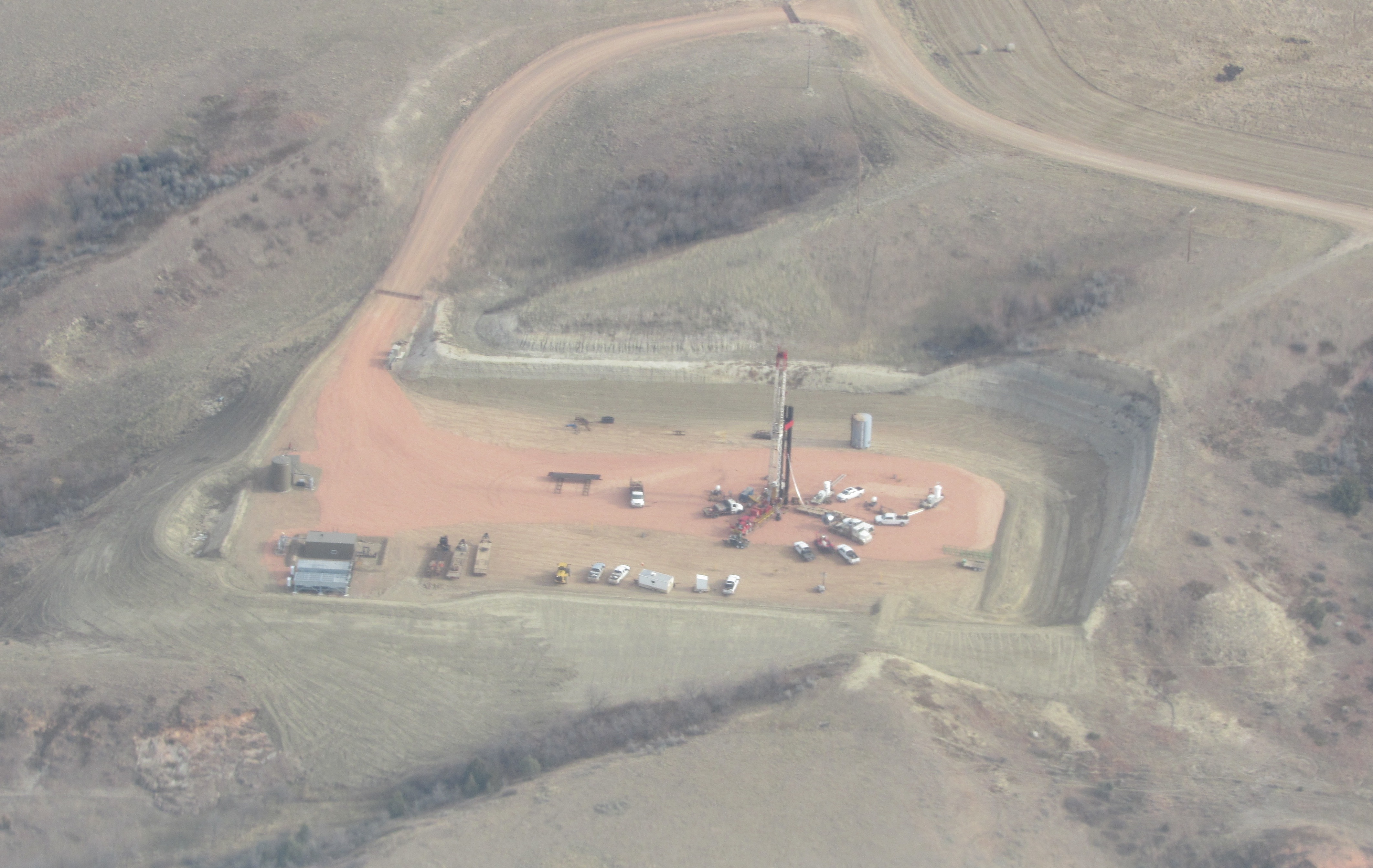
Workover rig working on well in North Dakota. Photo by James Ulvog.
North Dakota oil production in December 2019 is fourth highest level on record, after setting new production level in 5 of last 6 months.
Average daily production in the state was 1,475,685 barrels of oil per day (bopd) (preliminary) after hitting the highest level ever of 1,519,037 bopd (revised) in November. The November production broke the state’s record for the fifth time in six months, and the twelfth time in the last twenty months.
The routine record-level production is being achieved with stable and low level of drilling rigs and without the wild-west craziness in the local economy that existed before 2014.
Graph of the average daily production in the state and in the Bakken pool: