The Department of Defense has established reimbursement rates for the airplanes and helicopters in the military inventory. If I’m reading this right, these are the hourly rates for reimbursement when an aircraft or helicopter is loaned out.
This seems to be usable as an estimate for the operating costs of airplanes. I previously discussed Operating costs per hour for USAF planes. This post provides more detailed descriptions.
There are separate rates for loans to another US military organization, other federal agencies, and two other categories I don’t understand (FMS and All Other).
Sure would be fun to put together a tongue-in-cheek conversation for which these rates would be used (Short outline: British Defense Minister: “Say old chap, we’re putting together a strike in our little squabble and we’d like to borrow two flights of Strike Eagles and a half-dozen tankers for a couple of days. Can you do that and what’ll the tab be?” U.S. Secretary of Defense: “Sure, for you, no problem. Um, yeah, we have the resources available. Hold on a second while I look up the list price.”)
More seriously, I’m guessing this provides a simple way to calculate the dollar amount of assistance we provide our allies, say the French need air transport to land a brigade of troops in Africa to deal with a new round of shooting in a civil war, like in Mali or Central African Republic. Or, say we provide refueling for the superb fighters of our French and British allies while all three of us launch a coordinated air strike in Syria.
Anyone care to share your guesses on how these reimbursement rates would actually be used?
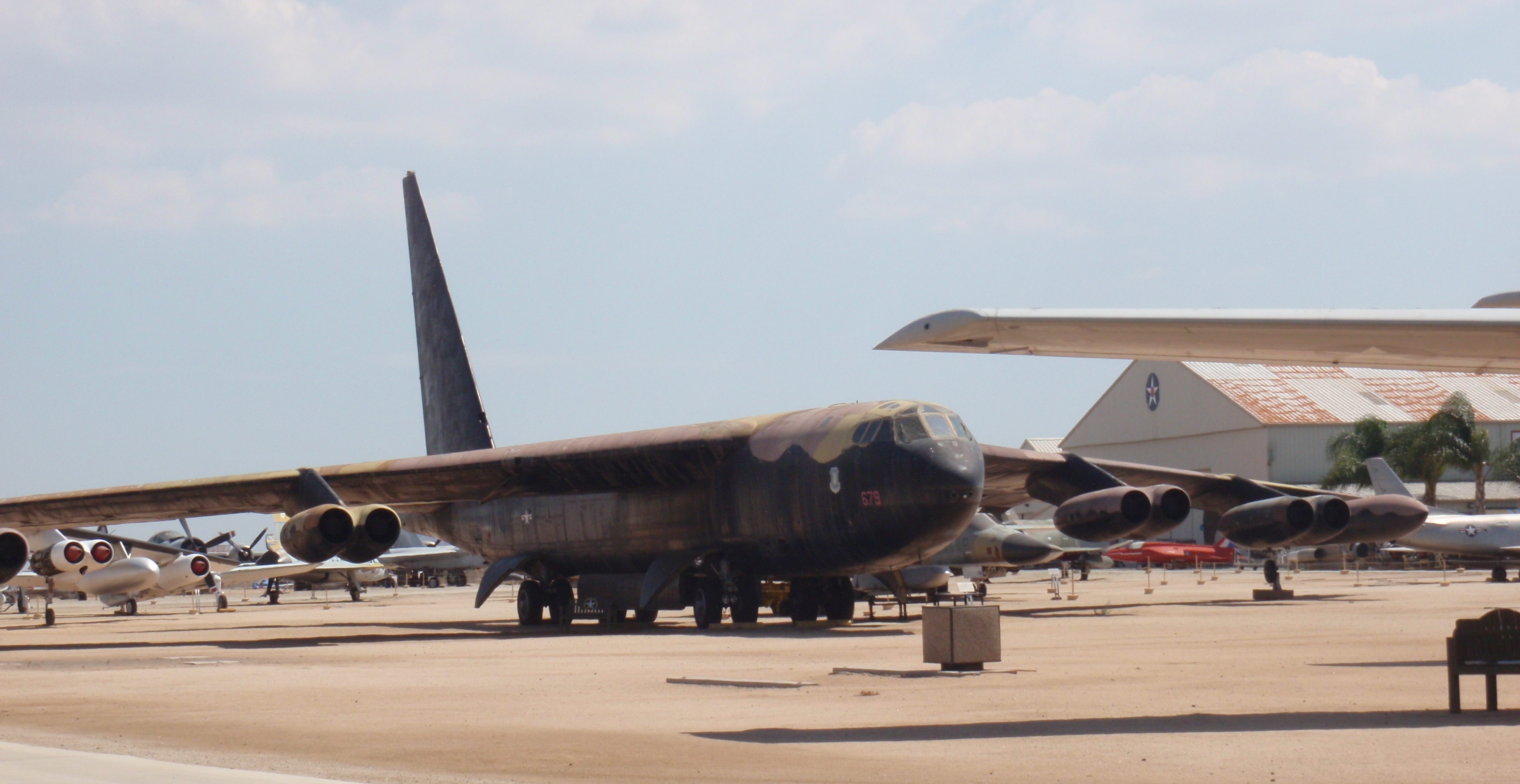
Reimbursement rates
On a practical basis, this reimbursement table provides a frame of reference for the operating costs of U.S. airborne resources. The rates are broken out between operating and maintenance (O&M) and personnel costs (MilPers) on tab F2. That likely approximates the hourly operating costs and the hourly compensation for a standard crew.